Building Trust in Medical Aid Relief Through Faith-Based Organizations
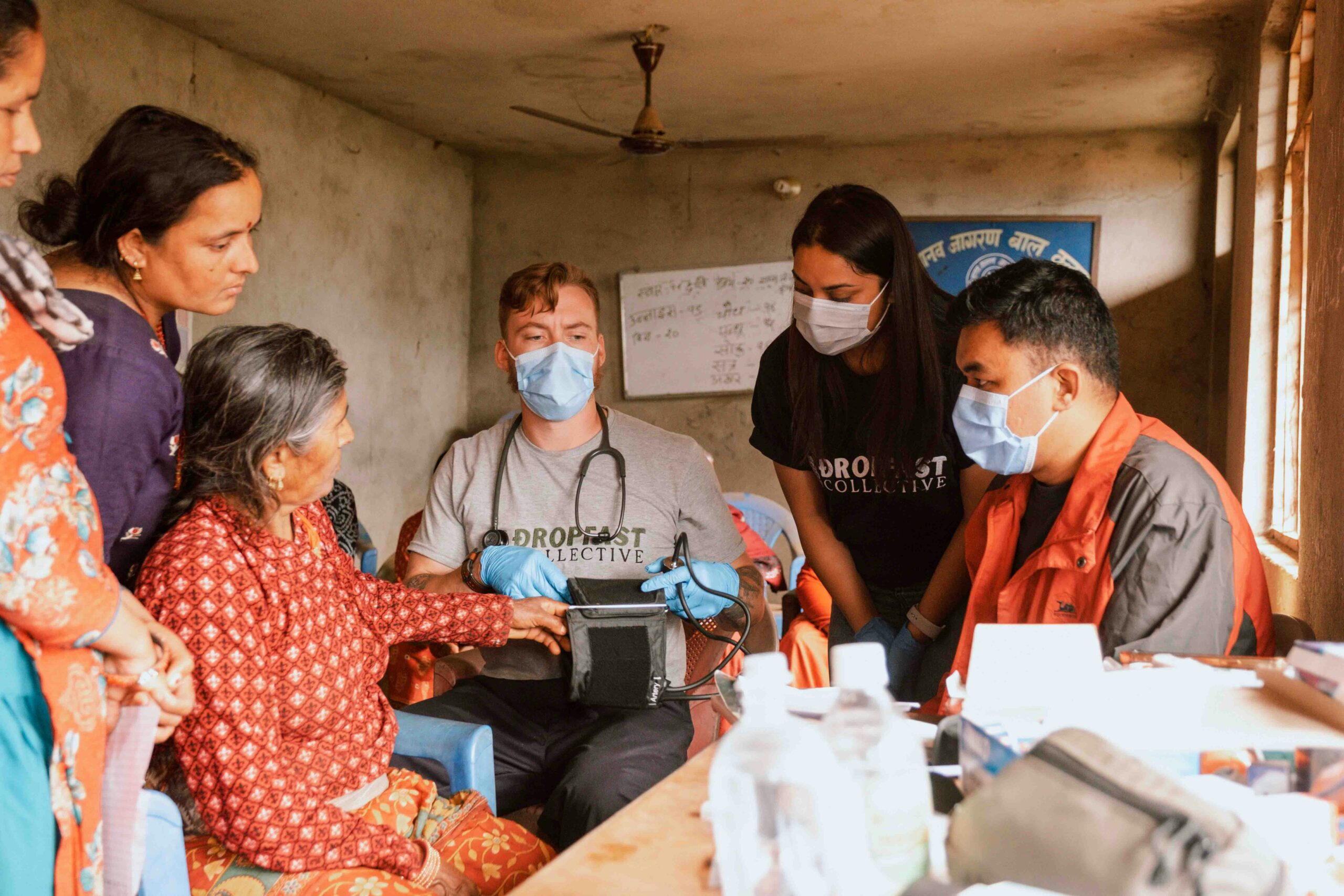
Medical aid relief plays a critical role in reaching vulnerable communities during times of crisis, yet trust often determines whether that help succeeds or falls short. In many regions, skepticism toward outside institutions, cultural barriers, and past disappointments has weakened confidence in healthcare programs.
Faith-based organizations help bridge this gap by operating within trusted community structures that people rely on every day. As a result, they strengthen trust while improving access to care. By combining spiritual leadership with humanitarian action, these organizations ensure that medical aid relief reaches people with dignity, empathy, and long-term impact.
The Trust Gap in Medical Aid Relief Efforts
Medical aid relief often faces resistance in communities that have experienced broken promises or inconsistent support. Many people have seen medical teams arrive during an emergency only to disappear once conditions improve. Because of this history, community members may view new health initiatives with caution, even when help is urgently needed. This hesitation can lead to delayed treatment, lower participation, and reduced effectiveness.
Faith-based organizations help close this trust gap by offering familiarity and continuity. They remain in communities long after crises fade, which allows them to build deep relationships over time. Their presence makes relief programs feel more reliable and more human. Moreover, local faith leaders understand community concerns because they listen to them daily. As they guide conversations around medical aid relief, they help people feel safe enough to accept care. Therefore, trust grows through shared experience rather than temporary intervention.
Why Faith-Based Organizations Hold Community Credibility
Faith-based organizations often hold strong credibility because they serve as moral, social, and emotional anchors. People look to them for guidance, comfort, and support, especially during hardship. Since these institutions already play a central role in community life, individuals naturally trust the messages and programs they endorse. This built-in trust extends to medical aid relief delivered through or alongside these organizations.
Furthermore, faith leaders communicate in ways that resonate culturally and spiritually. They speak in familiar terms, use shared stories, and emphasize values the community recognizes. When they discuss health concerns, they can counter misinformation, address fears, and encourage participation in care. Because the message comes from a trusted voice, people respond more openly. Consequently, faith-based credibility becomes a robust foundation for medical aid relief.
Cultural Sensitivity as a Foundation for Medical Aid Relief
Cultural sensitivity remains one of the most essential elements of successful medical aid relief. Even the most advanced medical support can fall short if cultural beliefs are ignored. Communities may have traditions, spiritual beliefs, or healing practices that shape how they interpret symptoms and choose treatments. When medical teams fail to recognize this, confusion and resistance often follow.
Faith-based organizations help prevent these misunderstandings. They understand the cultural landscape because they live within it. They can guide medical aid relief teams on what is appropriate, what may cause concern, and how to communicate with respect. For example, they may help adapt health education materials to match cultural norms or translate medical instructions into forms that feel familiar. This cultural alignment encourages cooperation and reduces fear. As trust strengthens, communities become more willing to engage in preventive care, screenings, and follow-up treatments.
Strengthening Transparency and Accountability Through Partnerships
Transparency plays a significant role in building trust in medical aid relief programs. Communities want confidence that resources are allocated responsibly and that funding supports real needs. Faith-based organizations often emphasize ethical responsibility as part of their mission, which naturally aligns with the principles of humanitarian work. Their involvement increases public confidence in how aid is distributed and monitored.
When faith-based groups partner with medical aid relief programs, they bring established oversight structures that help protect resources. They often maintain close communication with community members, which ensures people understand how aid is used and why certain decisions are made. This level of transparency reduces suspicion and strengthens collaboration. Additionally, because faith leaders hold moral authority in their communities, they reinforce the idea that medical aid relief efforts are trustworthy. Thus, accountability becomes a shared commitment.
Expanding Community Participation Through Faith-Based Support
For medical aid relief to reach its full potential, community participation must remain strong. People need to understand why specific treatments matter, how to access care, and what steps to take for prevention. Faith-based organizations help expand participation because they already bring people together for worship, gatherings, and social programs. They create natural opportunities to share information, answer questions, and encourage involvement.
Because faith leaders are trusted advisors, their encouragement carries significant weight. When they speak openly about the value of medical aid relief, community members feel more confident about seeking help. This influence can also reduce stigma around sensitive issues such as mental health, reproductive care, or chronic illness. As participation grows, healthcare outcomes improve across entire regions.
The Future of Medical Aid Relief Through Faith-Based Collaboration
As global challenges evolve, medical aid relief programs will need stronger partnerships to support rising needs. Climate change, population growth, and migration create conditions that may lead to more frequent health crises. In these situations, trust becomes even more important. Without it, communities may refuse care or delay treatment during critical moments.
Faith-based organizations will continue to play an essential role in the future of medical aid relief. Their credibility, cultural understanding, and long-term presence make them powerful allies in humanitarian work. When healthcare providers and faith-based groups collaborate, they create a model that honors both medical expertise and community values. This partnership demonstrates that effective aid is not only about delivering resources but also about strengthening relationships.
Additional Information
- Blogs
- advanced medical support, health crises, healthcare programs
- Dr. Seth Eidemiller