Telemedicine Powers Emergency Care in Crisis Zones Today Now
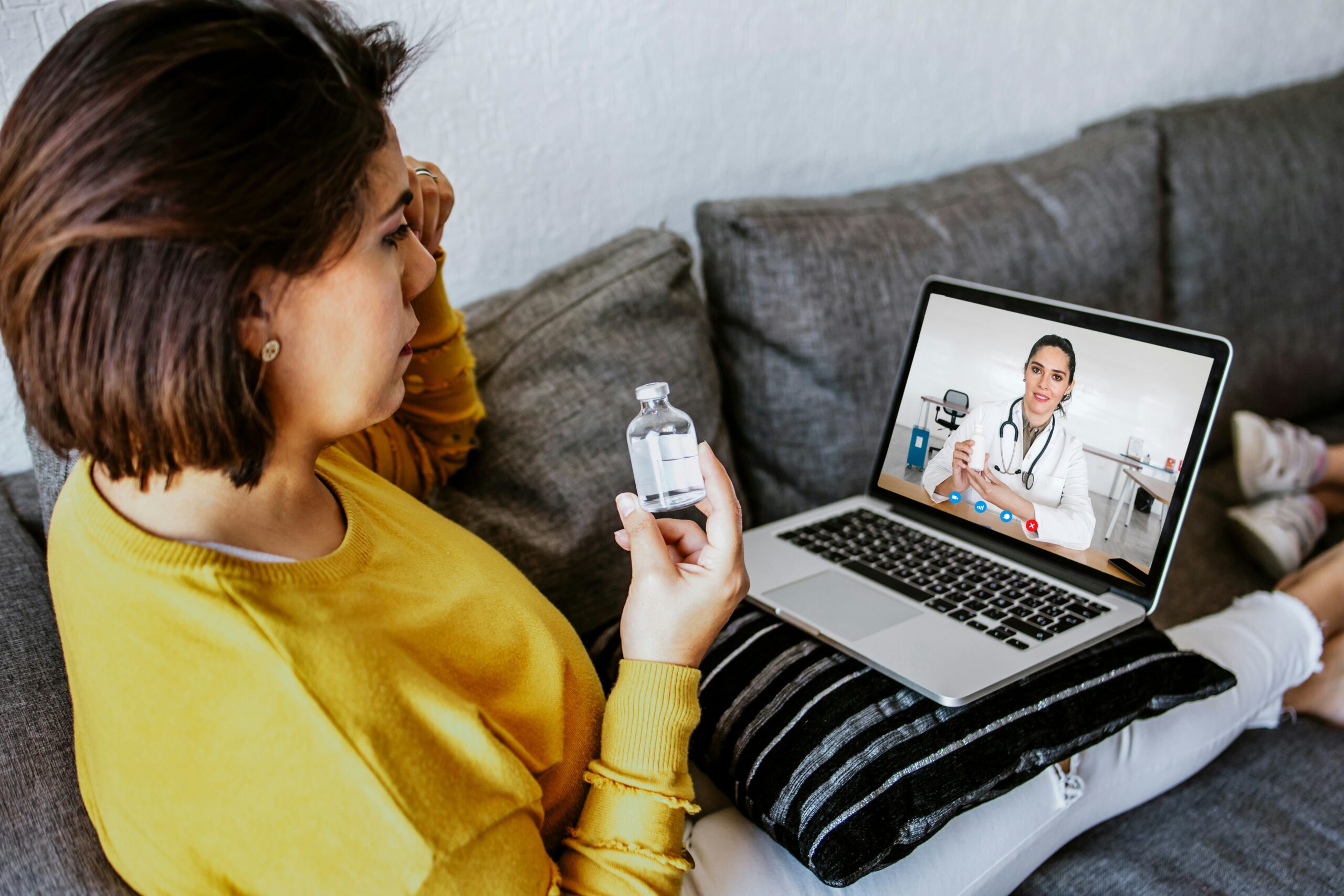
Crisis zones strain health systems beyond limits. Doctors face danger, supply lines break, and patients wait too long. Telemedicine steps in with speed and reach. It connects skilled clinicians to patients and local responders through secure links. As a result, care arrives faster and with better focus. Telemedicine also reduces travel risks for staff. Moreover, it supports local teams who know the culture and terrain. Therefore, outcomes improve even under stress.
Telemedicine thrives where distance blocks care. It brings triage, guidance, and follow-up into places that lack specialists. Because teams can share images and vital signs in real time, decisions improve. Also, telemedicine adapts to shifting needs. When a crisis changes shape, digital care scales without delay. Thus, emergency care gains resilience.
How technology powers emergency telemedicine
Modern tools drive telemedicine forward. Smart devices capture clear images and sound. Secure networks protect patient data. Cloud platforms store records that teams can access quickly. Therefore, clinicians act with confidence. In addition, decision support tools highlight risks and suggest next steps. These tools do not replace clinicians. Instead, they sharpen judgment under pressure.
Connectivity matters most. Satellite links and mobile networks keep care online when lines fail. Because power outages occur often, teams use efficient devices with long battery life. Furthermore, simple interfaces reduce errors. Clear design helps responders act fast. As a result, care flows even in chaos.
Rapid triage and remote guidance
Emergency care begins with triage. Telemedicine accelerates this step. Local responders share live video and patient data with remote clinicians. Together, they sort urgency and plan care. Consequently, critical cases move first. Also, remote experts guide procedures. They coach airway support, bleeding control, and shock care. This guidance builds confidence and skill on the ground.
Telemedicine also supports mental health triage. Trauma affects patients and responders alike. Remote counselors provide immediate support. Because help arrives early, stress harms fewer people. Thus, telemedicine addresses both body and mind.
Training and support for local teams
Crisis zones depend on local responders. Telemedicine strengthens them through training. Short sessions teach protocols and device use. Live mentoring supports growth during real cases. As a result, skills rise quickly. Moreover, teams feel less isolated. They know help stands ready.
Training does not end after a session. Telemedicine platforms host guides and videos. Responders review content when needed. Therefore, learning fits the pace of the crisis. This approach respects time and energy.
Data, ethics, and trust
Trust anchors emergency care. Telemedicine earns trust through ethics and clarity. Secure systems protect privacy. Explicit consent builds respect. Clinicians explain limits and options in plain language. Because trust grows, patients engage more fully.
Data also guides action. Aggregated insights reveal trends and gaps. Leaders adjust resources based on evidence. However, teams must avoid bias. Ethical review and local input keep care fair. Thus, telemedicine aligns with human values.
Overcoming barriers in crisis settings
Crisis zones pose barriers. Connectivity may falter. Language gaps may slow care. Cultural norms shape decisions. Telemedicine addresses these challenges with planning. Teams deploy offline tools that sync later. Interpreters join calls to bridge language. Local partners advise on customs. Consequently, care respects context.
Cost concerns also arise. Yet telemedicine often lowers expenses by reducing transport and delays. Partnerships with public groups and nonprofits expand access. When planning stays flexible, programs endure.
Telemedicine and coordination across agencies
Emergency care improves with coordination. Telemedicine links hospitals, field teams, and relief groups. Shared dashboards show capacity and needs. Therefore, resources move where they help most. Clear roles prevent overlap. In turn, patients receive timely care.
Coordination also supports continuity. After acute care, patients need follow-up. Telemedicine schedules check-ins and referrals. This continuity reduces complications. Hence, recovery strengthens.
Case-driven impact without hype
Stories from the field show impact. Remote clinicians guide lifesaving steps. Local teams stabilize patients who once lacked access to care. Families receive answers during fear. These results do not rely on hype. They rely on preparation, empathy, and steady tools. Telemedicine proves its worth through calm action.
The future of emergency telemedicine
The future calls for more innovative integration. Devices will grow more rugged and simple. Networks will become more resilient. Training will focus on usability. Also, the policy will support cross-border care. With these shifts, telemedicine will anchor emergency response.
Yet technology alone cannot save lives. People do. Telemedicine empowers them to act with speed and care. Therefore, investment should focus on teams and trust as much as tools.
Telemedicine transforms emergency care in crisis zones. It delivers expertise across distance. It supports local responders. It respects ethics and culture. Because it adapts quickly, it works well in unstable settings. With thoughtful design and strong partnerships, telemedicine saves lives when it matters most.
Additional Information
- Blogs
- digital care, emergency care, Telemedicine platforms
- Dr. Seth Eidemiller