Evaluating the Difference: Measuring Charitable Impact in Emergency Medicine
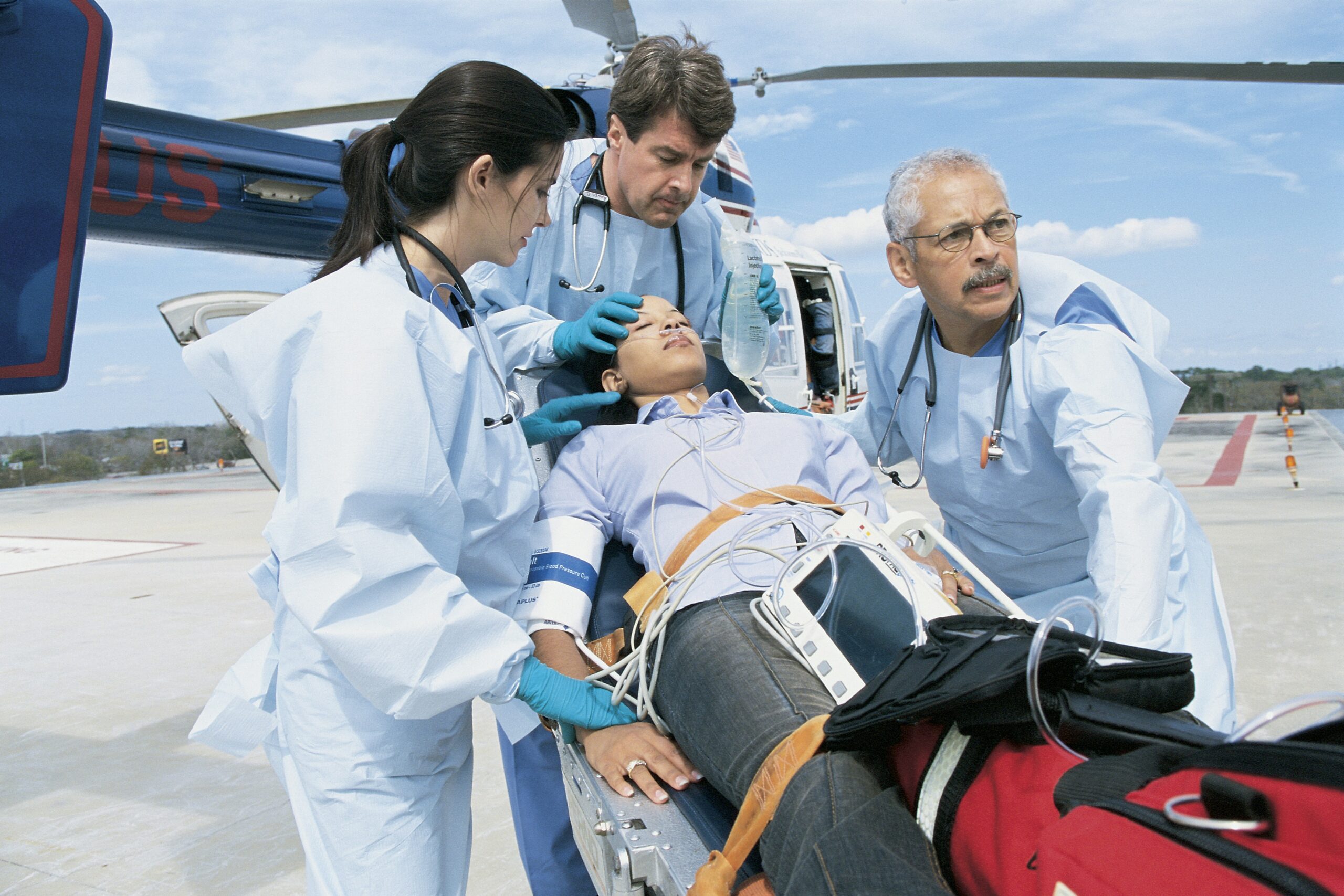
Charitable work in emergency medicine has grown in importance, as donations, volunteer efforts, and programs aim to improve patient care and support medical teams. While the intent behind giving is often clear, understanding the real effect of these efforts can be more complex. Measuring impact helps organizations and donors know if their contributions create meaningful change, improve outcomes, and reach the right populations. Without evaluation, even well-intentioned initiatives may miss opportunities for improvement or fail to sustain long-term benefits.
At the same time, measuring impact fosters accountability and trust. Stakeholders, from donors to healthcare providers, want evidence that their resources are making a difference. Transparent reporting not only strengthens credibility but also encourages continued support. By prioritizing impact measurement, charitable programs in emergency medicine can evolve with purpose and maximize their reach.
Defining Goals for Charitable Programs
Before measuring impact, it is crucial to define clear goals. Charitable work can address a range of needs, from providing equipment and supplies to supporting community education or funding research. Each initiative should have specific objectives that align with both patient care and organizational priorities. When goals are clear, organizations can develop metrics that effectively track success.
Clear goals also help prioritize resources. Emergency medicine often involves high-stakes decisions and limited time, so understanding which initiatives offer the greatest benefit is essential. By setting measurable objectives, charitable programs can focus on interventions that improve patient outcomes, enhance staff support, or expand access to critical care services.
Using Data to Track Outcomes
Data plays a central role in evaluating charitable impact. Patient outcomes, staff performance, and program reach are all measurable indicators that show whether efforts succeed. For example, tracking reductions in treatment delays, improvements in patient survival rates, or increased access to emergency services provides concrete evidence of effectiveness. This information helps organizations refine programs and allocate resources where they have the greatest effect.
Additionally, data enables comparison across different initiatives. Organizations can assess which strategies are most efficient and replicate successful models in new settings. By analyzing patterns and trends, charitable programs can make informed decisions and continuously improve outcomes for patients and communities alike.
Incorporating Qualitative Feedback
Numbers tell part of the story, but qualitative feedback captures the human experience behind charitable work. Patients, families, and staff can provide insight into how initiatives affect care quality, morale, and confidence in the healthcare system. Surveys, interviews, and focus groups allow organizations to understand what matters most to the people directly impacted.
Qualitative feedback also highlights areas that metrics alone might overlook. For instance, a program may deliver equipment effectively, but staff might report challenges in using it efficiently. Listening to these perspectives helps organizations adjust programs, increase satisfaction, and ultimately enhance patient care. Combining data with personal experiences creates a more complete picture of charitable impact.
Evaluating Efficiency and Resource Use
Impact measurement includes assessing how resources are used. In emergency medicine, time, equipment, and personnel are valuable and often limited. Charitable programs must ensure that donations, funding, and volunteer efforts are applied efficiently. Evaluating efficiency helps organizations avoid waste and maximize the benefits of each contribution.
Furthermore, understanding resource use supports sustainability. Programs that demonstrate cost-effectiveness and strategic allocation are more likely to receive ongoing support from donors and partners. By tracking both outcomes and resource efficiency, charitable initiatives can prove their value while strengthening long-term operations.
Addressing Community Needs and Equity
Effective charitable work responds to actual community needs. Measuring impact helps identify whether programs reach underserved populations, reduce disparities, and address pressing health challenges. Emergency medicine often serves vulnerable groups, so ensuring equitable access is critical. Data and feedback reveal who benefits and where additional support is needed.
Equity-focused evaluation also informs future planning. Organizations can adjust their strategies to ensure programs address gaps and expand services to communities facing barriers to care. By combining outcome measurement with community engagement, charitable work in emergency medicine can create more inclusive and sustainable impact.
Learning From Challenges and Setbacks
No charitable initiative proceeds without challenges. Measuring impact helps organizations learn from setbacks and improve future efforts. By analyzing failures, programs can identify gaps in planning, execution, or resource allocation. This learning process strengthens resilience and increases the likelihood of long-term success.
Challenges also provide opportunities for innovation. Emergency medicine evolves rapidly, and charitable programs must adapt to changes in technology, protocols, and community needs. Continuous evaluation ensures that organizations remain flexible and responsive, improving outcomes and enhancing overall program effectiveness.
Sharing Results With Stakeholders
Communicating impact is just as important as measuring it. Donors, volunteers, and healthcare partners benefit from understanding how programs achieve their goals. Sharing results transparently demonstrates accountability and reinforces trust. It also inspires continued support and engagement, as stakeholders see tangible evidence of success.
In addition, sharing results encourages collaboration. Other organizations can learn from proven strategies, replicate successful programs, or contribute to ongoing improvements. By making data and insights accessible, charitable programs in emergency medicine multiply their influence and strengthen the broader healthcare ecosystem.
Planning for Long-Term Impact
Long-term planning is a key aspect of impact measurement. Emergency medicine operates in fast-paced environments, but sustainable charitable programs require a focus on lasting results. Evaluation provides insight into which initiatives have long-term benefits and how to maintain them over time. This perspective ensures that resources create enduring change rather than temporary improvements.
Additionally, long-term measurement helps anticipate future needs. Trends in patient care, community health, and emergency response inform strategic decisions for ongoing programs. By planning based on evidence and outcomes, organizations can scale their impact and address emerging challenges effectively.
Combining Quantitative and Qualitative Approaches
The most comprehensive impact measurement combines quantitative and qualitative approaches. Metrics provide clear evidence of program effectiveness, while feedback captures the lived experience of patients and staff. Together, these methods create a full understanding of how charitable work influences emergency medicine. Organizations that embrace this integrated approach can make smarter decisions and achieve greater results.
Ultimately, measuring the impact of charitable work in emergency medicine ensures that generosity leads to tangible, meaningful outcomes. By setting clear goals, using data-driven tracking, engaging communities, and fostering continuous learning, organizations can demonstrate accountability, improve patient care, and sustain long-term programs. By evaluating impact thoughtfully, charitable initiatives maximize their potential to save lives and support healthcare teams in critical ways.
Additional Information
- Blogs
- Emergency Medicine, healthcare system, patient care
- Dr. Seth Eidemiller