How Early Global Health Philanthropy Shapes Compassionate Future Doctors
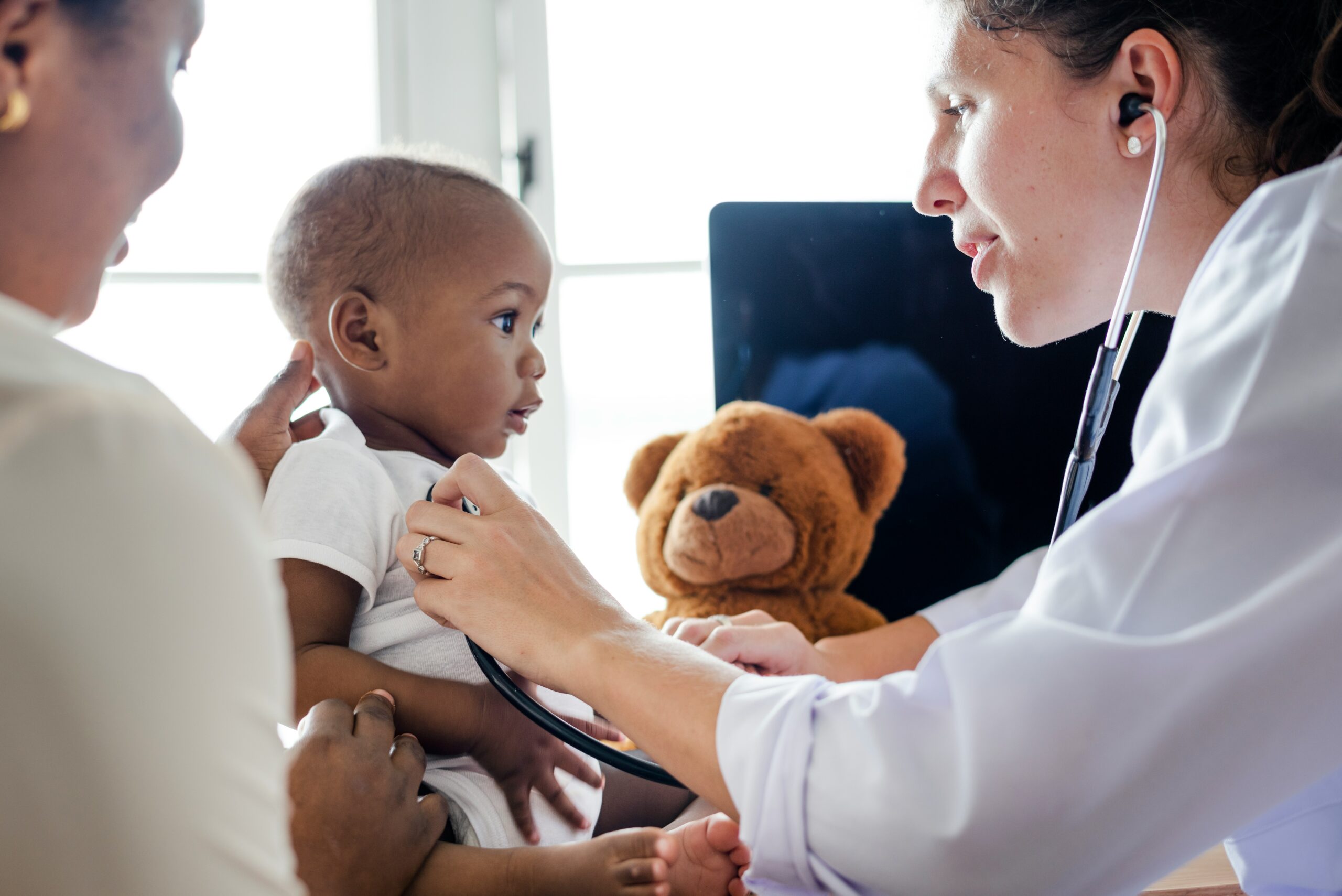
Medical education shapes not only clinical skill but also the values that guide physicians throughout their careers. While textbooks and laboratory training provide essential scientific knowledge, early involvement in humanitarian health initiatives expands a student’s understanding of medicine’s broader purpose.
When medical students encounter global health philanthropy early in their training, they witness how charitable medical efforts improve access to care for vulnerable communities. These experiences foster empathy, strengthen ethical awareness, and encourage long-term service in healthcare. As a result, early exposure to philanthropic healthcare work often shapes doctors who approach medicine with compassion, cultural awareness, and a strong commitment to improving global health equity.
Early Humanitarian Experiences Encourage Compassionate Care
Medical students often begin their education focused on mastering anatomy, pathology, and diagnostic skills. However, exposure to charitable healthcare initiatives during training introduces them to the human realities behind disease and treatment. Through humanitarian programs, students encounter patients whose access to healthcare depends on volunteer services, community outreach, and international aid.
These experiences encourage emotional understanding and empathy. Students begin to see how illness affects families, communities, and daily life. Consequently, future physicians learn that effective care requires more than technical expertise. Compassion, patience, and respect become essential qualities in medical practice. Doctors who develop these values early often create stronger patient relationships and deliver more attentive care.
Understanding Global Health Inequality in Medical Training
Modern teaching hospitals often provide advanced equipment, specialized departments, and extensive medical resources. Yet many communities around the world face limited healthcare infrastructure and severe shortages of trained professionals. Exposure to global health philanthropy allows students to observe these disparities firsthand.
During outreach programs, trainees learn how economic conditions, geographic isolation, and lack of medical education affect health outcomes. Patients may travel long distances for basic treatment or struggle to access preventive care. By witnessing these challenges early in their education, medical students gain a deeper understanding of health inequality. This awareness encourages future doctors to advocate for more equitable healthcare systems.
Inspiring Service-Oriented Career Paths
Experiences in charitable healthcare often shape how students view their future roles in medicine. Many trainees who participate in outreach programs discover a passion for serving underserved populations. Instead of focusing solely on private practice or specialized hospital work, they begin exploring careers in public health, community medicine, or humanitarian service.
Furthermore, students observe how physicians can lead impactful initiatives beyond clinical settings. Medical professionals often organize vaccination campaigns, establish mobile clinics, or support international medical partnerships. These examples demonstrate that healthcare providers can influence community well-being at scale. As a result, early exposure to philanthropic healthcare programs often inspires doctors to pursue service-driven careers.
Resource-Limited Environments Build Problem-Solving Skills
Philanthropic medical programs frequently operate in environments where equipment and supplies remain limited. In these situations, students must adapt their clinical thinking and develop creative solutions to medical challenges. This experience strengthens their ability to analyze problems and respond quickly when standard resources are unavailable.
For example, students may rely more heavily on patient history and physical examinations when advanced diagnostic tools remain scarce. They also learn how teamwork and collaboration improve patient outcomes in difficult conditions. These lessons build resilience and flexibility, qualities that remain valuable in any healthcare setting. Doctors who develop these valuable skills early often respond more effectively to unexpected clinical situations.
Cultural Awareness Strengthens Patient Communication
Healthcare professionals regularly treat patients from diverse cultural and social backgrounds. Early participation in international or community health outreach helps students develop cultural awareness that improves patient communication. When trainees interact with people from different traditions, languages, and beliefs, they gain valuable insight into how culture shapes healthcare decisions.
Understanding these perspectives allows physicians to provide more respectful and effective treatment. Doctors who appreciate cultural differences can explain diagnoses clearly and address concerns with greater sensitivity. This cultural competence helps build trust between patients and healthcare providers. Consequently, early humanitarian exposure prepares medical professionals to serve diverse communities with confidence and respect.
Collaboration Across International Medical Communities
Humanitarian healthcare programs often bring together professionals from multiple disciplines and countries. Physicians, nurses, researchers, and public health experts frequently work side by side to address complex health challenges. Medical students involved in these initiatives gain firsthand experience in collaborative teamwork.
Through these interactions, students also learn about different healthcare systems and treatment approaches worldwide. Exposure to varied perspectives encourages open-minded thinking and adaptability. Furthermore, international collaboration strengthens global medical networks that support knowledge exchange and innovation. Early involvement in cooperative healthcare efforts helps students appreciate the importance of teamwork in improving global health outcomes.
Lifelong Commitment to Improving Global Health
Students who engage in humanitarian healthcare efforts early in their education often maintain a lasting commitment to service. Many continue supporting medical outreach programs, charitable foundations, or international health initiatives throughout their professional lives. These ongoing efforts help expand access to care in underserved communities.
Equally important, early exposure to global health philanthropy helps physicians view healthcare as a shared global responsibility. Doctors recognize that improving health outcomes requires collaboration across nations, institutions, and communities. As a result, these professionals often contribute to programs that strengthen healthcare systems worldwide. Their dedication reflects the lasting influence that early philanthropic experiences can have on a medical career.
Additional Information
- Blogs
- charitable foundations, Medical students, valuable skills
- Dr. Seth Eidemiller