Why Future Doctors Benefit From Learning Global Health Giving Early
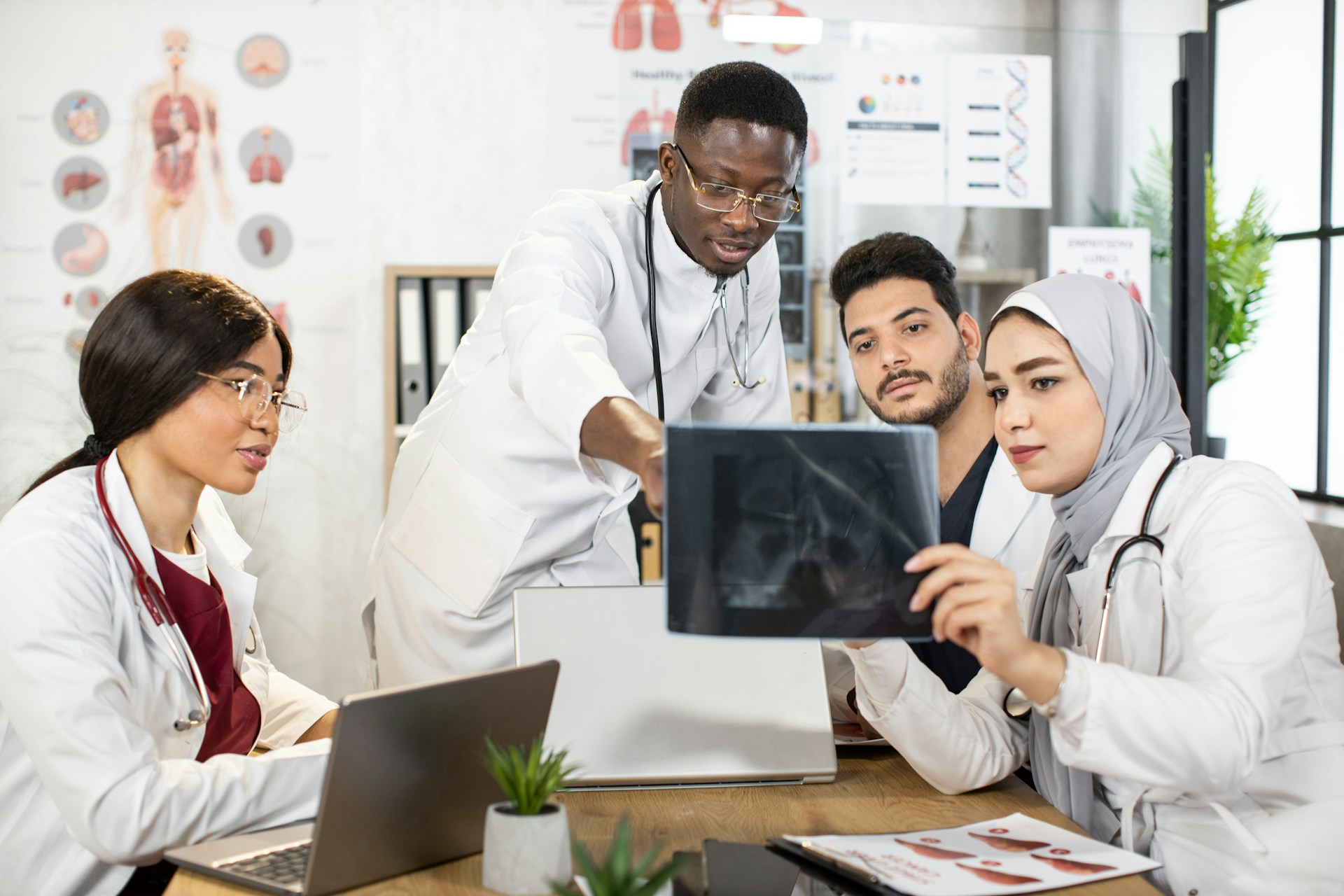
Medical students spend years learning how to diagnose illness, treat patients, and understand complex health systems. However, their education can also introduce them to the wider social forces that shape health across borders. Learning about global health philanthropy early can help future doctors understand how charitable funding, partnerships, and community programs support care in places with limited resources. It also encourages students to think beyond individual treatment and consider how education, prevention, research, and access can improve health for entire populations.
Early exposure matters because professional values often develop during training. When students learn how thoughtful giving supports vaccination programs, maternal care, clean water projects, medical education, or disease prevention, they begin to see philanthropy as part of responsible health leadership. As a result, they may carry a broader sense of service throughout their careers.
Early Exposure Expands Professional Perspective
Medical training naturally focuses on patient care, yet health problems often connect to poverty, geography, education, and public policy. Global giving introduces students to these larger influences. Therefore, they can better understand why patients in different regions may face very different barriers to care.
This wider view can make future doctors more thoughtful. Instead of seeing health only through the lens of hospitals and clinics, students begin to notice how housing, nutrition, transportation, sanitation, and education affect outcomes. Consequently, philanthropy becomes connected to the broader systems that shape human health.
Learning About Inequality Builds Awareness
Access to health care varies greatly around the world. Some communities have advanced hospitals and many specialists, while others lack basic medicines or trained professionals. Medical students who study these differences can better understand the uneven distribution of health resources.
Awareness alone does not solve inequality, but it can influence future choices. A physician who understands these gaps may support rural training, international research, low-cost care, or nonprofit health programs. In addition, students may become more careful about assuming that one medical model works equally well everywhere.
Giving Teaches the Value of Prevention
Many global health programs focus on prevention because preventing illness can protect large numbers of people at relatively low cost. Vaccination, prenatal care, sanitation, nutrition education, and early screening can reduce suffering before patients need expensive treatment.
Medical students benefit from seeing these examples early. They learn that health care is not only about responding after disease appears. Instead, health equity giving can support programs that reduce risk before serious problems develop. This lesson may later influence how future doctors think about public health, community medicine, and patient education.
Students Learn to Evaluate Real Impact
Not every charitable program produces the same results. Therefore, students should learn how to examine whether an organization uses resources responsibly. They can study program goals, financial transparency, local partnerships, measurable outcomes, and long-term sustainability.
These skills encourage informed giving rather than emotional decision-making alone. For example, a compelling story may inspire a donation, but students should also ask whether a program meets a clear need and respects local priorities. Over time, this habit can help future physicians support organizations that combine compassion with strong evidence.
Global Programs Highlight Local Leadership
Effective health giving should not treat communities as passive recipients. Local doctors, nurses, public health workers, and community leaders often understand their own needs better than outside organizations. Therefore, medical students should learn why successful programs listen to local expertise.
This approach also reduces the risk of short-term projects that disappear after outside teams leave. When local professionals shape planning and delivery, programs can become more practical and sustainable. Students who understand this principle may approach future international partnerships with greater respect and humility.
Philanthropy Can Strengthen Medical Education
Global giving does more than fund direct patient care. It can also support scholarships, training programs, research centers, medical equipment, and professional development. These investments help build health systems that continue serving communities over time.
For students, this creates an important lesson about long-term impact. Funding one treatment helps one patient, while training health professionals can benefit thousands of people across many years. As a result, future doctors can begin thinking about philanthropy as a tool for building skills, knowledge, and stronger institutions.
Early Lessons Shape Lifelong Habits
People often develop habits when they first enter a profession. Therefore, introducing global giving during medical school can make service and philanthropy feel like natural parts of a medical career. Students may start by volunteering, attending educational events, or contributing small amounts to trusted organizations.
Later, their involvement may grow. Some physicians may support scholarships, research, health missions, community clinics, or nonprofit boards. Others may mentor younger doctors or help organize fundraising efforts. In this way, early education can lead to decades of thoughtful participation rather than occasional giving.
Future Physicians Can Connect Service With Responsibility
Learning about ethical global health support gives medical students a framework for using their future skills, influence, and resources with care. It encourages them to ask who benefits, whether local voices are included, and how a program can continue after initial funding ends. These questions help transform generosity into responsible action.
Doctors already play important roles in their communities, but their influence can extend much further. When medical students understand global health giving early, they gain another way to think about service. They can combine clinical knowledge with compassion, careful judgment, and long-term commitment. Ultimately, this mindset can help future physicians support better health outcomes while respecting the people and communities they hope to serve.
Additional Information
- Blogs
- Dr. Seth Eidemiller