Why Medical Students Should Learn About Global Health Giving Early
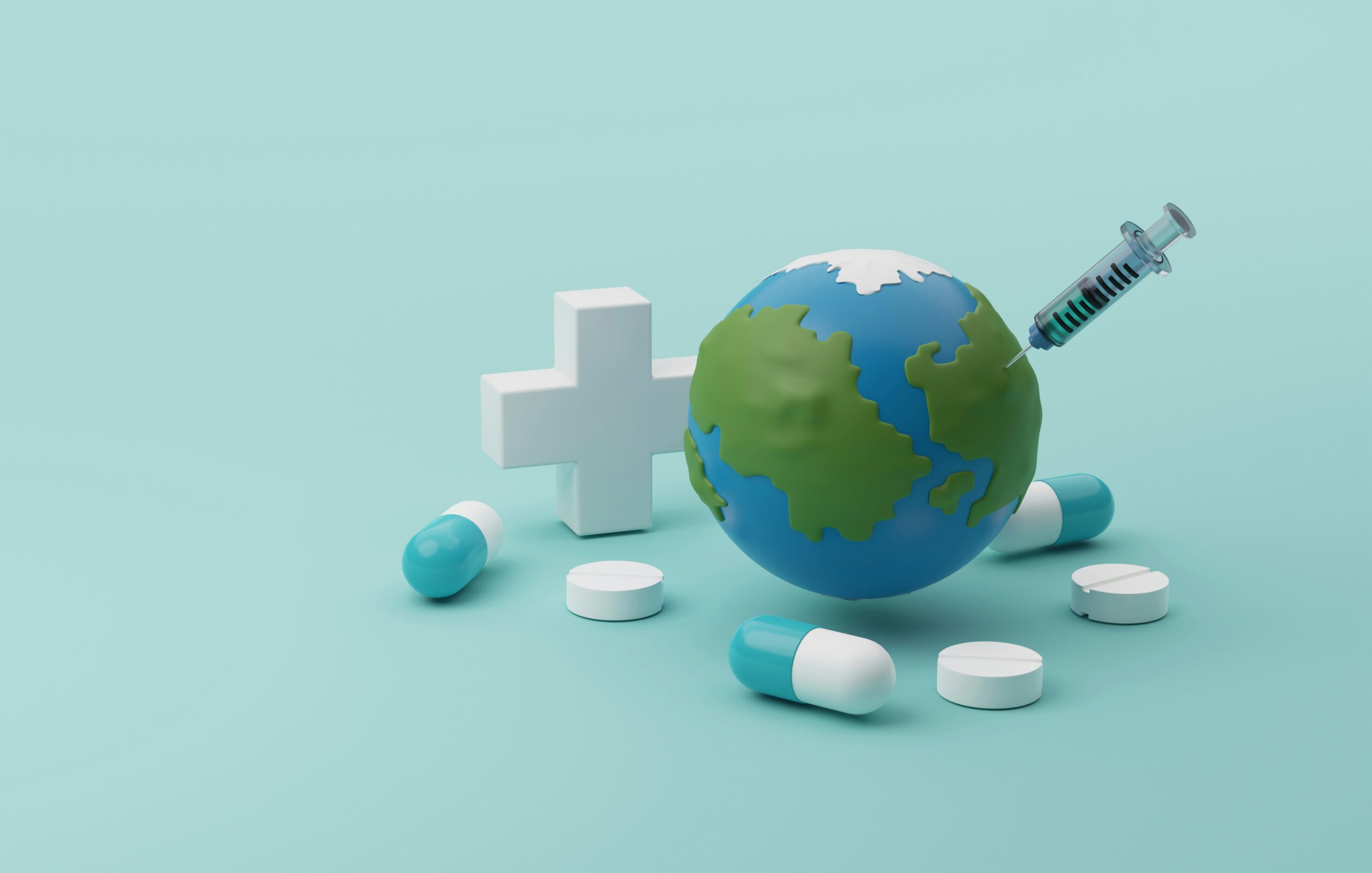
Medical students enter a world where health challenges connect across borders. Infectious diseases spread faster, chronic illnesses rise in every region, and climate change reshapes health risks for millions. When students engage in global health giving early, they gain a broader view of these forces that shape modern medical practice. They learn that community well-being depends on more than treatment alone. It depends on shared responsibility and shared action. This mindset transforms their understanding of both local and global care.
Today’s healthcare landscape rewards students who think beyond traditional boundaries. Early exposure to global issues helps them understand how cultural differences, limited resources, and structural inequalities influence health outcomes. Many students discover that their medical training strengthens when they connect clinical knowledge with an awareness of global impact. As they explore global health giving, they start to build compassion, resilience, and leadership.
Why Early Learning Shapes Stronger Future Clinicians
When students learn about global health from an early age, they create a foundation for lifelong service. Early learning teaches them how the world’s health systems differ and how these systems shape patient outcomes. This clarity helps students adjust their approach to care with greater empathy and adaptability. They understand how communication, respect, and resource management matter in every medical setting. These insights guide their choices as their careers progress.
Furthermore, early exposure builds critical thinking skills. Students examine real stories from communities with limited access to care, and they compare them with situations at home. This comparison helps them recognize gaps in their own systems and pushes them to think creatively. As they connect these lessons with their future goals, they prepare themselves to lead meaningful improvements in healthcare.
Building Cultural Competence Through Global Health Engagement
Cultural competence grows stronger when medical students encounter diverse perspectives. Global health giving encourages them to listen, observe, and respond with humility. Students learn how cultural beliefs influence health behaviors and how local traditions guide care decisions. This understanding helps them build trust with patients from different backgrounds. They realize that healthcare depends on respect as much as it depends on science.
As students continue to explore these lessons, they gain confidence in treating patients from cultures they may not be familiar with. They develop communication strategies that bridge gaps rather than widen them. Since the world grows more diverse every year, this skill becomes essential in nearly every clinical environment. Early engagement makes these abilities feel natural rather than learned under pressure later in their careers.
Strengthening Clinical Skills Through Real-World Exposure
Many medical students strengthen their clinical skills when they participate in global health giving programs or learning experiences. They often encounter a wider range of conditions and resource-limited situations. These challenges force them to think quickly and responsibly. They learn to value teamwork, innovation, and careful problem-solving. This type of exposure makes them more resilient and prepared for unpredictable situations.
Real-world global experiences also sharpen students’ diagnostic abilities. With fewer resources, they rely more on history taking, physical exams, and clinical judgment. These skills help them throughout their careers, even in advanced healthcare systems. Since medicine always demands quick thinking, early practice in diverse settings strengthens one’s readiness.
Developing Leadership Through Service and Awareness
Medical students who learn about global health from an early age often become strong leaders. Leadership in medicine requires clarity, empathy, and the ability to make decisions that balance many factors. Students who understand global health challenges recognize how policy, economics, and culture shape patient outcomes. They develop a sense of responsibility that extends beyond individual patient encounters. This mindset helps them guide teams and inspire others.
As they move through training, these students often champion public health initiatives, volunteer programs, or community projects. Their early experience helps them speak with confidence about global and local needs. They learn how small changes create significant transformations. This knowledge prepares them to lead with purpose and integrity.
Encouraging Lifelong Commitment to Service
Early exposure to global health giving helps medical students form a deep commitment to service. When they witness the power of meaningful contributions, they carry that motivation into their future careers. Many students discover that small acts create significant change when aligned with community needs. This realization takes root early and grows into lasting dedication.
Students who develop this habit of service often build strong professional networks. These networks include mentors, organizations, and peers who share similar values. As they continue to grow, their commitment to service supports better patient outcomes and stronger healthcare systems. This sense of responsibility enhances both their personal and professional fulfillment.
Connecting Local Care With Global Responsibility
Global health knowledge supports local practice. Medical students who explore global health give an early understanding of how local communities mirror global challenges. They notice similar barriers in underserved neighborhoods, rural areas, and marginalized populations. This awareness helps them design interventions that consider both structural and individual needs. Their early learning supports targeted solutions instead of generalized approaches.
In addition, this understanding encourages collaboration. Students often work with public health teams, social workers, and community leaders to address local issues. Their global perspective helps them approach problems with a broader view. By learning early that health outcomes connect across borders, they treat every community with the same commitment.
Preparing Students for a Changing Healthcare Future
Healthcare changes quickly, and students must stay ready for new demands. Global health giving prepares them to adapt with confidence. They learn about emerging diseases, shifting demographics, and environmental risks. This knowledge helps them anticipate challenges before they appear in their local systems. Students who understand these patterns gain an advantage as they step into their careers.
As they move into practice, they also use this mindset to support innovation. They explore creative ways to deliver care, use technology, and build partnerships. Their global awareness helps them understand how solutions in one region may inspire progress in another. This broad perspective strengthens their ability to guide the future of medicine.
Additional Information
- Blogs
- global awareness, Medical students, modern medical
- Dr. Seth Eidemiller