How Telemedicine Improves Emergency Crisis Care
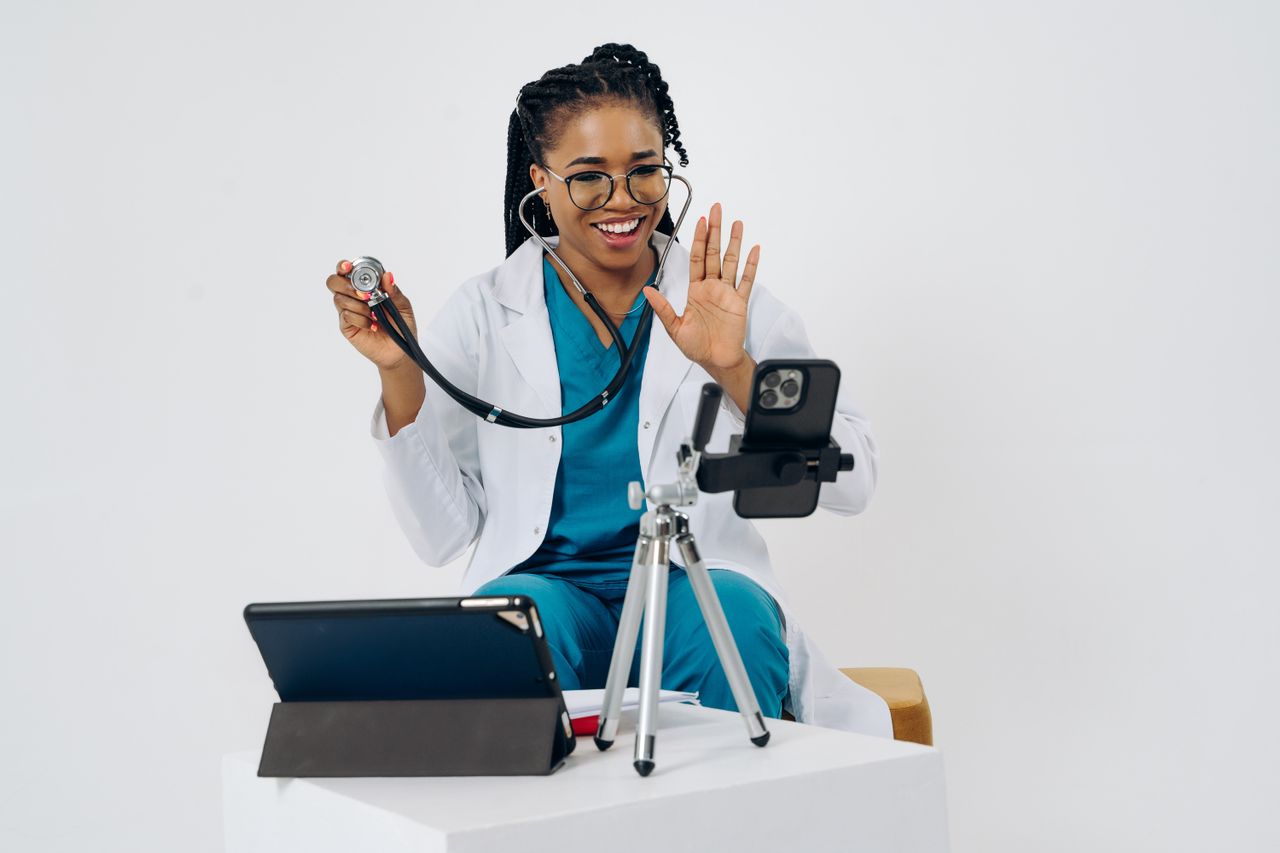
Emergency healthcare in crisis zones can become difficult within minutes. Natural disasters, armed conflicts, disease outbreaks, infrastructure failures, and mass displacement can damage hospitals, interrupt transportation, and separate patients from trained medical professionals. In these settings, technology and telemedicine can help healthcare teams extend medical support beyond traditional facilities. Telemedicine allows doctors, nurses, specialists, and emergency responders to communicate across long distances using secure digital platforms. Mobile devices, satellite connections, portable diagnostic tools, electronic health records, and remote monitoring systems can also strengthen emergency aid. Understanding how these technologies work helps explain why digital health is becoming increasingly important in humanitarian medicine and crisis response.
How Telemedicine Expands Access to Emergency Care
Telemedicine is the delivery of healthcare support through digital communication technologies. In a crisis zone, it can connect frontline medical workers with specialists who may be located in another city or country. This connection is valuable when local healthcare facilities lack enough surgeons, trauma specialists, pediatricians, infectious disease experts, or other trained professionals.
For example, a nurse working in a temporary medical clinic may need guidance when treating a patient with a serious injury. Through a secure video call or messaging platform, the nurse may consult a remote physician who can review the patient’s symptoms, medical images, vital signs, and treatment options. This type of remote medical consultation helps local teams make more informed decisions.
Telemedicine can also improve access when roads are blocked, transportation is unsafe, or hospitals are too far away. Mobile health units equipped with internet or satellite connectivity can provide remote consultations in refugee camps, shelters, rural communities, and disaster recovery areas. Even when high-speed internet is unavailable, voice calls, text-based systems, and low-bandwidth applications may still provide useful medical support.
Importantly, telemedicine does not replace healthcare professionals working on the ground. Instead, it gives them additional access to knowledge and specialized expertise. This can be especially useful when local medical teams are treating more patients than they normally handle.
Remote healthcare may also reduce unnecessary patient transfers. If a specialist can assess a patient remotely and determine that local treatment is appropriate, emergency transportation resources can be reserved for patients who truly require advanced care.
How Technology Supports Triage and Medical Decisions
Triage is the process of determining which patients need treatment first. During a major emergency, healthcare workers may need to assess hundreds or even thousands of people while working with limited staff, medications, beds, and equipment. Digital tools can make this process more organized and efficient.
Mobile triage applications can help responders record patient symptoms, injuries, vital signs, allergies, medical history, and treatment priority. Instead of relying only on handwritten records, teams can store this information electronically and share it with other healthcare providers.
Portable diagnostic equipment can also support medical decision-making. Devices such as handheld ultrasound machines, digital stethoscopes, portable electrocardiogram systems, pulse oximeters, and compact blood-testing devices allow medical workers to collect useful health information outside traditional hospitals.
When these devices are connected to telemedicine platforms, remote specialists can help interpret the results. A physician might review ultrasound images from a patient with possible internal injuries. A cardiologist could examine heart rhythm information from someone experiencing chest pain. A neurologist might review symptoms related to a head injury.
These technologies can be particularly valuable when local healthcare workers need a second opinion. Faster access to specialist knowledge may help teams recognize serious conditions earlier and determine whether a patient should remain at a local facility or be transferred.
Artificial intelligence may also support emergency healthcare by analyzing large amounts of patient data and identifying possible patterns. For instance, digital systems may help flag unusual vital signs or identify patients who could be at higher risk of complications. However, such technology should be viewed as a decision-support tool. Medical professionals still need to consider each patient’s condition, environment, and available treatment options.
How Digital Tools Improve Crisis Coordination
Providing emergency medical care requires more than treating individual patients. Crisis response often involves hospitals, government agencies, humanitarian organizations, rescue teams, public health departments, transportation services, and community volunteers. Coordinating these groups can be challenging when communication systems are damaged.
Digital technology can help emergency teams share information more efficiently. Cloud-based communication systems, geographic information systems, digital dashboards, and patient tracking platforms can provide responders with a clearer understanding of conditions across a crisis zone.
Geographic mapping tools are particularly helpful. They can show the location of damaged hospitals, blocked roads, temporary shelters, mobile clinics, disease outbreaks, and areas where healthcare services are limited. Emergency planners can use this information to decide where to send medical teams, supplies, ambulances, or temporary treatment centers.
Satellite communication also plays an important role. Cellular towers and internet networks may fail during earthquakes, storms, conflicts, or other emergencies. Satellite phones and satellite-connected devices can help humanitarian teams continue communicating when normal networks are unavailable.
Technology can also improve medical evacuation. Before a seriously injured patient reaches a hospital, emergency workers may send medical information to the receiving facility. Doctors can review the patient’s condition and prepare treatment equipment in advance. This reduces delays after arrival.
Electronic health records provide another educational example of how digital systems support continuity of care. A person may receive treatment at a temporary clinic, move to another location, and later visit a hospital. If secure digital records are available, healthcare professionals can review previous medications, diagnoses, allergies, and treatments instead of starting from the beginning.
Supply management can also benefit from digital tools. Hospitals and aid organizations can track medications, blood products, protective equipment, food, water, and other essential resources. Better tracking helps planners identify shortages before they become critical.
What Makes Crisis-Zone Telemedicine Effective
Telemedicine can provide major benefits, but effective programs require careful planning. Crisis zones often have unreliable electricity, limited internet access, damaged infrastructure, cybersecurity risks, and shortages of trained personnel.
One important requirement is reliable power. Digital equipment cannot function without electricity, so humanitarian medical teams may need backup batteries, generators, portable solar systems, or energy-efficient devices. Equipment should also be durable enough to operate in difficult environments where heat, dust, moisture, or rough transportation may be common.
Connectivity is another challenge. High-quality video consultations require stable internet service, which may not always exist. For this reason, emergency telemedicine systems should offer different communication options. Low-bandwidth messaging, audio communication, offline data storage, and delayed synchronization can allow healthcare workers to continue using digital tools during network disruptions.
Patient privacy must also remain a priority. Medical information often includes sensitive personal details. Organizations should use secure systems, controlled access, encrypted communication when available, and clear policies regarding who may view or share patient data.
Training is equally important. Healthcare technology is only useful when staff understand how to operate it properly. Medical workers should receive training in digital triage tools, telemedicine platforms, portable diagnostic devices, cybersecurity practices, and emergency communication procedures.
Local knowledge must also be included in telemedicine programs. A remote physician may have strong medical expertise but limited knowledge about local languages, cultural practices, available medications, transportation options, or healthcare infrastructure. Working with local doctors, nurses, interpreters, and community health workers can make remote recommendations more practical and appropriate.
The most effective use of technology in crisis zones combines digital capabilities with human expertise. Telemedicine can connect specialists with frontline teams, portable devices can provide important diagnostic information, and digital platforms can improve coordination. However, healthcare workers still need clinical judgment, communication skills, and an understanding of local conditions.
Using technology and telemedicine to support emergency aid in crisis zones shows how modern healthcare can adapt when traditional systems are disrupted. These tools can improve access to medical expertise, strengthen emergency triage, support coordination, and help humanitarian teams use limited resources more effectively. As digital health systems continue to develop, their role in crisis response will likely expand. When organizations invest in secure technology, reliable infrastructure, professional training, and strong local partnerships, telemedicine can become a practical educational example of how innovation supports safer and more responsive emergency healthcare.
Additional Information
- Blogs
- Dr. Seth Eidemiller