How Private Giving Is Reshaping the Future of Emergency Medicine
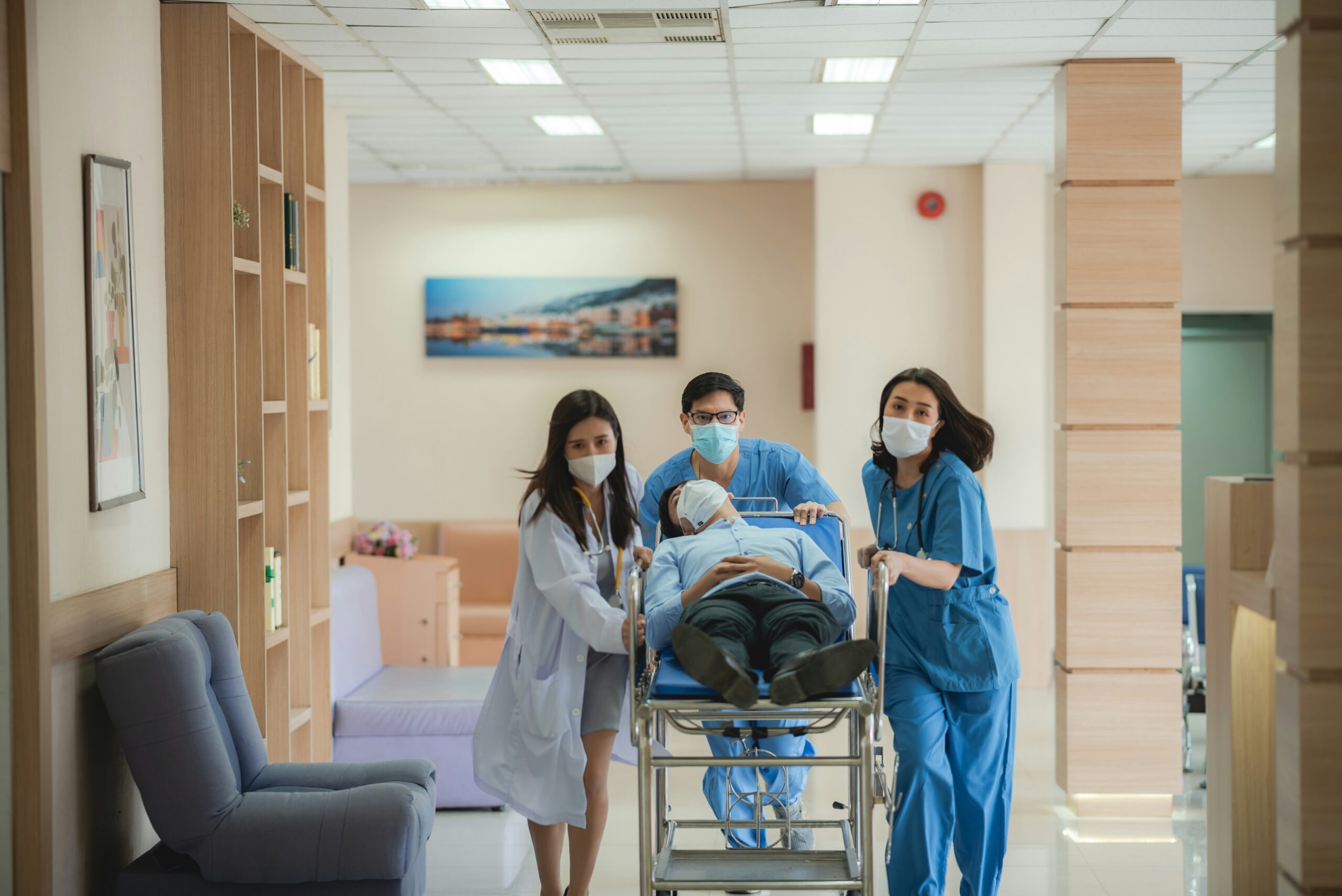
Emergency medicine depends on speed, skill, and access to the right resources. Every day, emergency departments care for people facing serious injuries, sudden illnesses, and life threatening conditions. However, many hospitals must make difficult choices about how to use limited budgets. Private giving can help close important gaps. It can fund equipment, training, research, patient support, and facility improvements that may not receive immediate support from regular operating funds.
At the same time, private giving is changing more than the physical tools inside emergency departments. It is also helping healthcare leaders test new ideas, improve access, and respond to community needs more quickly. Therefore, philanthropy has become an important source of support for emergency medicine. When hospitals use private donations carefully and transparently, these contributions can strengthen both daily care and long term planning.
Expanding Access to Modern Medical Equipment
Emergency departments rely on advanced equipment to diagnose and treat patients quickly. However, new technology can be expensive. Private donations can help hospitals purchase updated imaging tools, monitoring systems, treatment devices, and other clinical equipment. As a result, medical teams may gain faster access to tools that support better decisions during urgent situations.
In addition, donated equipment can improve the experience of both patients and staff. Reliable technology can reduce delays and help clinicians work with greater confidence. Therefore, hospitals that receive private support may be able to upgrade important systems sooner than they could through normal budgeting alone. This can make a meaningful difference in fast moving emergency settings.
Supporting Specialized Training for Medical Teams
Emergency medicine requires constant learning because medical standards, technology, and treatment methods continue to change. Private giving can support simulation programs, professional education, and specialized training for physicians, nurses, and other emergency staff. Consequently, healthcare teams can strengthen their skills without depending only on limited departmental education budgets.
Moreover, training can improve teamwork during high pressure situations. Emergency staff often need to make fast decisions while communicating clearly with several professionals at once. Therefore, simulation and advanced education can help teams practice difficult situations before they happen in real life. Private support can make these programs more available and consistent.
Funding Research That Improves Emergency Care
Research plays an important role in improving emergency medicine. Physicians and scientists study better treatment methods, patient flow, injury prevention, emergency response, and many other issues. However, early research projects may struggle to receive large public grants. Private donations can help researchers begin promising studies and collect the first data they need.
In addition, philanthropic support can give medical teams more freedom to explore new ideas. Some projects may focus on local problems that larger funding programs do not prioritize. Therefore, private giving can help hospitals study the needs of their own patients and communities. Over time, these efforts may lead to better care and stronger clinical practices.
Improving Emergency Department Facilities
The design of an emergency department can affect patient care. Crowded waiting areas, limited treatment rooms, and outdated spaces can create delays and stress. Private donations can help hospitals renovate facilities or build new areas that better support modern emergency care. As a result, patients may move through the department more safely and efficiently.
Furthermore, facility improvements can support privacy and comfort. Emergency patients often arrive during frightening or painful moments. Therefore, spaces that provide better communication, privacy, and family support can improve the overall experience. Philanthropy can help hospitals make these improvements even when major construction funding is difficult to secure.
Strengthening Programs for Vulnerable Patients
Emergency departments often care for people who face challenges beyond their immediate medical problem. Some patients may struggle with housing, transportation, food access, mental health needs, or financial hardship. Private giving can support programs that help connect these patients with additional services. Consequently, emergency care can become more responsive to the full range of patient needs.
In addition, these programs may help prevent repeated emergency visits. When patients receive support after leaving the hospital, they may be better able to follow treatment plans and access appropriate care. Therefore, private funding for patient navigation, social support, or follow up services can create benefits that continue after the emergency visit ends.
Expanding Mental Health Support
Mental health emergencies have become an important part of emergency medicine. Patients may arrive in crisis and need more than a standard medical evaluation. Private giving can help hospitals create specialized spaces, support mental health professionals, and improve crisis response programs. As a result, patients may receive care that better matches their needs.
Moreover, additional support can reduce pressure on emergency staff. Physicians and nurses often manage several urgent cases at once. Therefore, access to dedicated mental health teams can improve coordination and patient safety. Philanthropic funding can help hospitals build these services while long term funding plans continue to develop.
Helping Hospitals Respond to Community Needs
Every community faces different healthcare challenges. Some areas may experience high rates of injury, substance use, chronic illness, or limited access to primary care. Private donations can help emergency departments create programs that respond to these local needs. Therefore, philanthropy can support solutions that are more targeted and practical.
In addition, hospitals can work with community organizations to extend the impact of private giving. Partnerships with schools, nonprofits, shelters, and local agencies can help emergency programs reach people outside the hospital. As a result, philanthropic support can strengthen both emergency treatment and prevention efforts.
Encouraging Innovation in Emergency Care
Innovation often begins with small projects that need flexible funding. Private giving can support pilot programs that test new approaches to scheduling, patient communication, digital tools, or care coordination. Consequently, emergency departments can learn what works before investing in larger changes.
However, innovation still requires careful evaluation. Hospitals should measure results and make sure new programs improve care rather than simply add complexity. Therefore, private funding works best when leaders combine creativity with clear goals and strong oversight. Successful pilot programs can then become models for wider improvement.
Additional Information
- Blogs
- financial hardship, life threatening conditions, patient communication
- Dr. Seth Eidemiller